General requirements
Are you a content creator looking to monetize your work? Don’t know where to start? You’ve come to the right place!
Submission guidelines can be overwhelming and boring to read, but they're crucial for ensuring that your work meets our moderation standards and is approved for paid projects. This article will provide an overview of submission guidelines, covering everything from content quality to legal requirements. Whether you're a seasoned contributor or just starting out, understanding these guidelines can help you succeed in the competitive world of content creation and sales.
Originality: All content must be original and created by you. We do not accept content that infringes on any copyright or trademark laws. Refrain from uploading content downloaded from free websites like Unsplash, Freepik, Pexels, etc… This may lead to the permanent termination of your account.
Quality: We accept only high-quality content that meets our technical standards. This includes sharp focus, proper exposure, and accurate color balance. Content should not contain noisy or grainy elements, compression artifacts, or posterization.
Example of a good image: The image is aesthetically pleasing and doesn’t have any technical issues. It has a variety of usage potential.
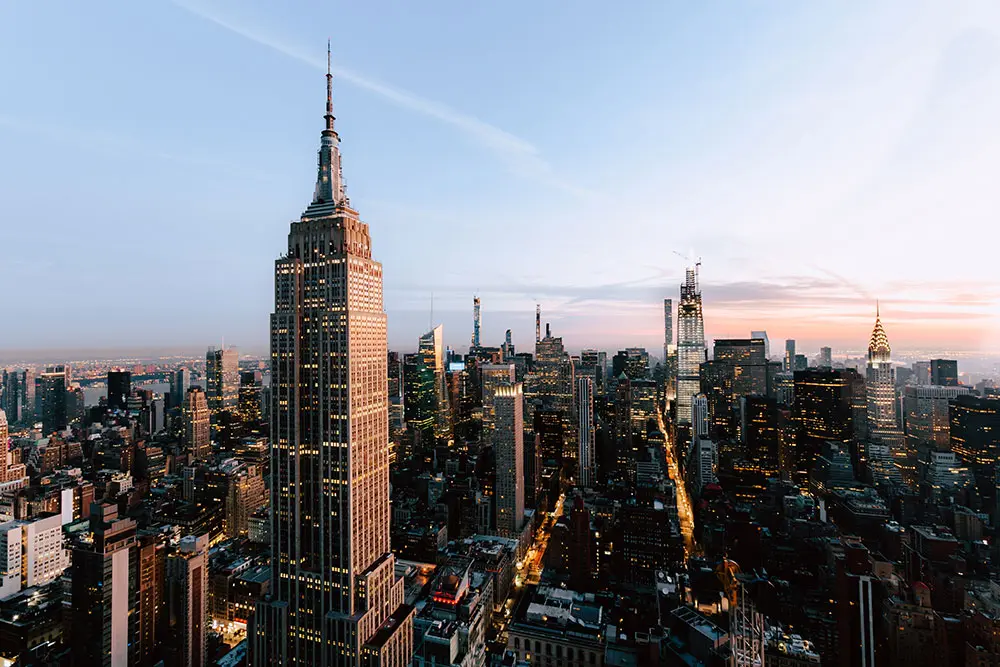
Example of a bad image: The image is grainy when viewed up close and most likely will not be accepted by marketplaces. Ensure you view your images in full zoom to ensure there are no technical issues before posting them to Wirestock.
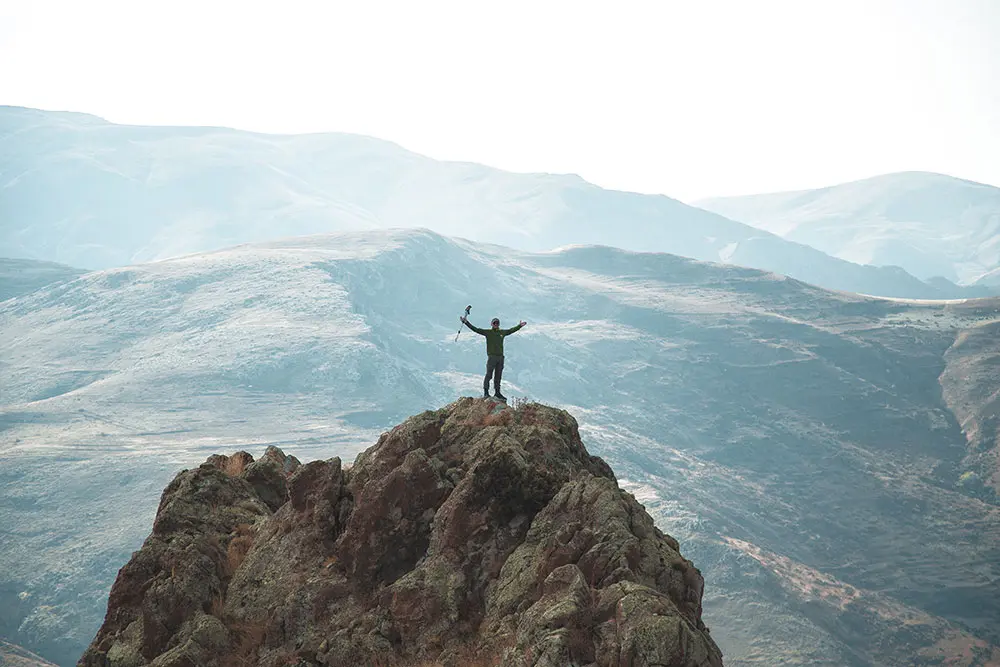
Relevance: We require content that is relevant to clients’ needs. This includes images, videos, and illustrations that depict current trends, cultural events, and global issues. Outdated content depicting past events or unintentionally depicting outdated trends may not be accepted. Avoid submitting content depicting outdated designs.
Example of a good image: Content featuring diverse individuals with strong beliefs and interesting lifestyles always differ from one another and is always in high demand. Whether it’s an authentic shot of people on the streets or a studio shot with professional lighting, it’s always a good idea to post images with people. Don’t forget to attach permissions from your models before posting them.

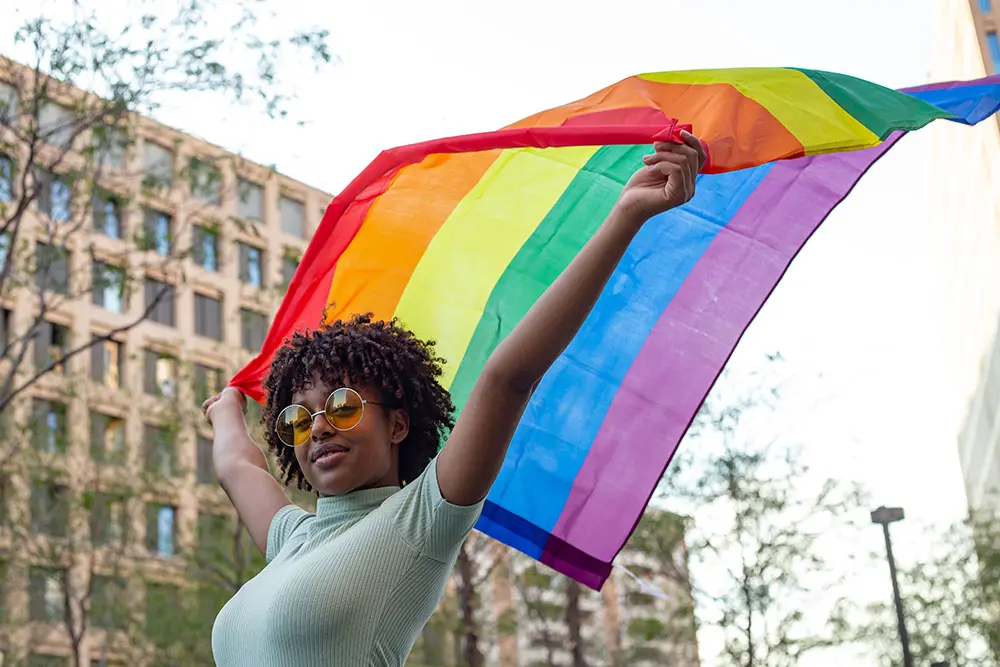
Diversity: We encourage diversity in all forms of content. This includes people from diverse racial, cultural, and ethnic backgrounds, as well as individuals of different ages and genders, and various types of content, such as lifestyle, business, technology, and nature. Please note that due to the abundance of certain types of content, especially in the Nature category, some images may not be accepted to reduce too many similar submissions to agencies.
Example of a good image: Content featuring diverse individuals with strong beliefs and interesting lifestyles always differ from one another and is always in high demand. Whether it’s an authentic shot of people on the streets or a studio shot with professional lighting, it’s always a good idea to post images with people. Don’t forget to attach permissions from your models before posting them.
Technical Specifications: We require all content to meet our specifications, including file format, resolution, and compression. This ensures that the content is compatible with our platform and can be downloaded quickly by clients. Take a look at the technical specifications for image submissions below:
Image Resolution: The minimum resolution of photos should be 3000 pixels on the longest side, with a minimum of 6 megapixels. This ensures the image is suitable for various applications.
Image Format: Wirestock is currently accepting images in JPEG/JPG formats only.
Color: Images should be adequately color-balanced, not over-saturated or under-saturated. Avoid adding unnecessary filters or overediting your images unless specified for specific projects. Avoid submitting images in black and white if the image’s artistic integrity doesn’t depend on it. Clients will want to use your images in their original color or in different saturations depending on their needs.
Color Space: Your photos should be in RGB color space for web use and CMYK color space for print use.
Video submissions
Everything you’ve read about what we’re looking for regarding quality, relevance, diversity, and originality also applies to your video submissions! We are looking for interesting, robust, and fresh videos that are appropriately sharp, in focus, and free of noise, dust, or other distractions that may detract from the footage's overall quality. Here are the main technical specifications for video submissions:
Resolution: A minimum resolution of 1080p (1920x1080) is recommended. 4K or higher resolutions are preferable and will have higher value for our projects. Higher value means a higher payment for you. You can also upload vertically oriented videos. We recommend shooting in a vertical format rather than cropping landscape-oriented videos into a vertical format to reduce stuttering or inadequate framing. We also accept 720p (1280 x 720 pixels) resolution, but submitting higher-resolution videos is always a better idea.
Video Format: Videos should be in MP4, MOV, or AVI formats. We recommend uploading in MP4 format to save time, but make sure the quality of the footage doesn’t drop if you convert larger files from different formats to MP4.
Video Codec: Popular codecs include H.264 and ProRes. The codec used should balance video quality with file size. We recommend using H.264 codec, a common and widely used video compression standard. This helps reduce the video's file size while maintaining good quality.
Frame Rate: A frame rate of 24 or 30 frames per second (fps) is recommended for most footage. However, we also accept higher frame rates, such as 60fps, for certain types of footage, especially slow motion and high-speed videos of dynamic scenes.
Bitrate: The recommended video bitrate is between 5 and 50 Mbps (megabits per second).
Color grading: We prefer videos with natural color grading, with colors that are not overly saturated or stylized. Avoid using extreme color grading techniques that may look too artificial or stylized. Make sure that the colors in your video are consistent throughout, with a balanced and cohesive color palette. This helps to create a professional and polished look for your video. Ensure that your video has no unwanted color casts, such as a blue or yellow tint. This can be corrected using color grading tools in the video editing software of your choice.
Length: The video should be at least 5 seconds. We prefer longer clips, at least 10 seconds up to a minute long.
Audio: Audio is optional for most projects; it will be muted automatically unless required by a client to specifically include audio in your videos.
Quality and Content: Keeping it simple and focused on one topic is always better than having your clip cut to different scenes or topics. You should also avoid using text in your videos unless requested by a client or specified in a project. For example, don’t include the location name in your drone footage or the name of the person in your videos.
Test your video on different devices: Make sure that your video looks good on different devices and screens, including mobile devices, computers, and televisions. This helps ensure your video looks good for clients who view it on various devices.
We always love to see video submissions from our creators, but videos containing the following technical issues will not be accepted:
Poor quality footage: This includes footage that is out of focus, unintentionally shaky, poorly lit, or has other technical issues. Make sure that your footage is well-lit, in focus, and stable. Clips with stuttering and sudden cuts to black frames may also lead to the rejection of your footage.
Lack of diversity: We are looking for a wide range of footage, so make sure you submit diverse content that includes different subjects, locations, and people. Avoid submitting too many similar clips or footage from the same shoot.
Over-editing: While some editing can enhance the quality of your footage, too much editing can make it look artificial or unrealistic. Avoid over-editing your footage, and keep it as natural as possible.
Those are the most common mistakes you should avoid when submitting videos to Wirestock. By avoiding these common mistakes, you can increase your chances of having your footage accepted and monetized for paid projects.
Vector submissions
File Formats: Wirestock accepts vector files in EPS 8 or EPS 10 file formats. Ensure that your vector files are exported in the correct formats before submitting them.
Resolution: Vector files are resolution-independent, which means they can be scaled up or down without losing quality. However, ensure that your vector files are well-constructed and all paths are correctly defined, as poor-quality and outdated files will not be accepted.
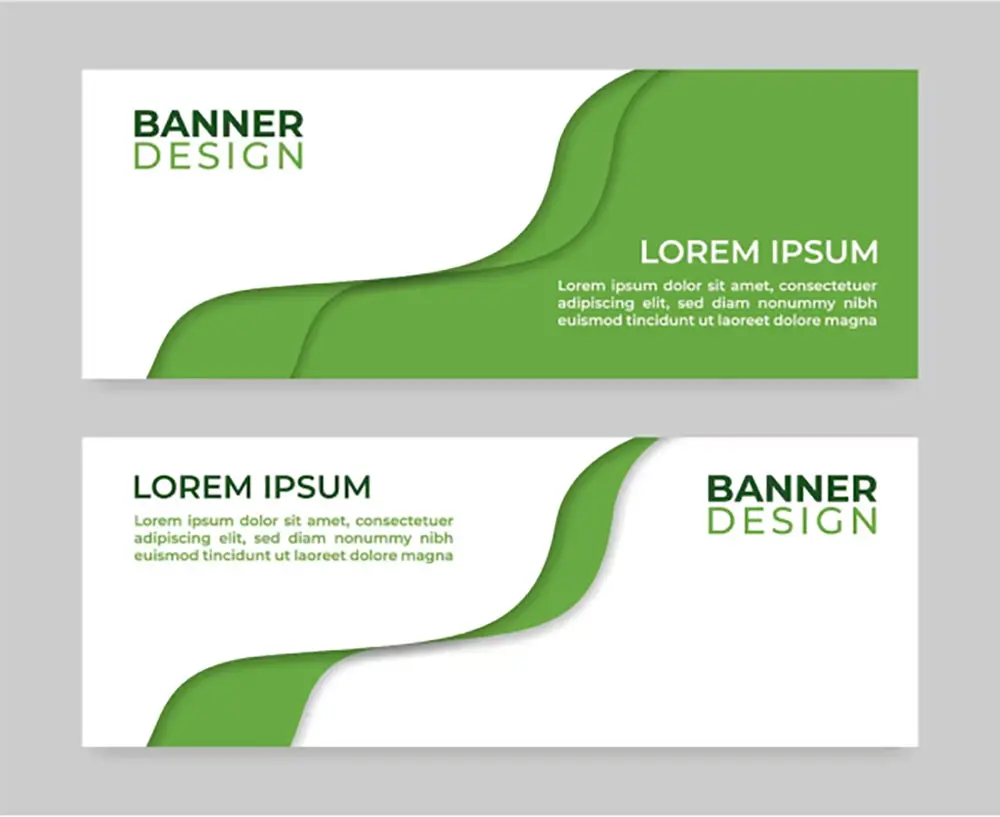
Quality: Your vector files should be well-designed and properly constructed, with clean, well-defined paths. Ensure that your artwork is free from errors or inconsistencies, structure-wise and color-wise..

File Size: Keep your file size to a minimum while maintaining the artwork's quality. Large files may take longer to upload.
Copyright: Ensure you own the rights to your vector files or have obtained the necessary permission to sell them. You should not submit copyrighted material or trademarked designs that you do not have the legal right to distribute. Wirestock takes copyright infringement seriously and has a strict policy against it. If your vector files are found to infringe on someone else's copyright, they will be removed, and your account may be suspended.
Pricing: You can set your own pricing for your vector files by creating free collections but ensure that it is competitive and reasonable. Take into account the complexity of the artwork, the resolution, and the intended use. Wirestock takes a commission on each sale, so be sure to take this into account when setting your prices.
Exclusivity: Wirestock allows you to submit both exclusive and non-exclusive vector files. If you choose to submit exclusive files, ensure you have not submitted them to anywhere else on the web.
AI-Generated content
AI-generated art and illustrations are accepted on Wirestock, but there are some requirements to follow and technical issues that you must avoid.
Permission form: AI-generated content of real and unreal characters with human-like facial features requires a property permission form. You’ll have to specify the AI model used in creating the image, for example, MidJourney, Nano Banana, Stable Diffusion, etc.
Model permission form: Any content created with generative AI tools that depict, is based on, or are intended to portray an identifiable person that exists in real life requires a model release. For example, if you upload a photo of a real person as a prompt, name a specific individual in the prompt, or include prompt keywords intended to instruct the generative AI tool to draw a real person.
Metadata: If you’re submitting manually, make sure to mention that the content you’re submitting is AI-generated in the description, title, and keywords sections. Adding “AI, generative, digital, art, illustration” keywords is essential for AI content submissions.
Content Spam: Submitting too many similar Ai-generated illustrations may result in rejection. Pick the best ones, and don’t upload similar images for which the same prompt was used. Please note that we will seek the most original and creative submissions due to the abundance of AI-generated images. So simple landmarks, animals, portraits, and certain sceneries may not be accepted, whether in fantasy or in realistic settings.
Confusing and abstract content: Content that is too niche and is hard to understand at first glance may not be accepted. Avoid submitting confusing images with abstract concepts.
Upscaling and retouching: Make sure to upscale your creations properly and edit them using Photoshop or other editing tools.
Format: Make sure to upscale your creations properly and edit them using Photoshop or other editing tools.
Non-Licensable content: Images depicting sexually suggestive themes, copyrighted material, intellectual property and brands, famous contemporary fictional or real characters (not including historical figures) and likenesses of celebrities will not be accepted.
Example of a good image: Here are some examples of great AI-generated content that are acceptable on Wirestock. We are mainly looking for ultra-realistic images and conceptual images of objects and subjects. All images below are generated using MidJourney AI.
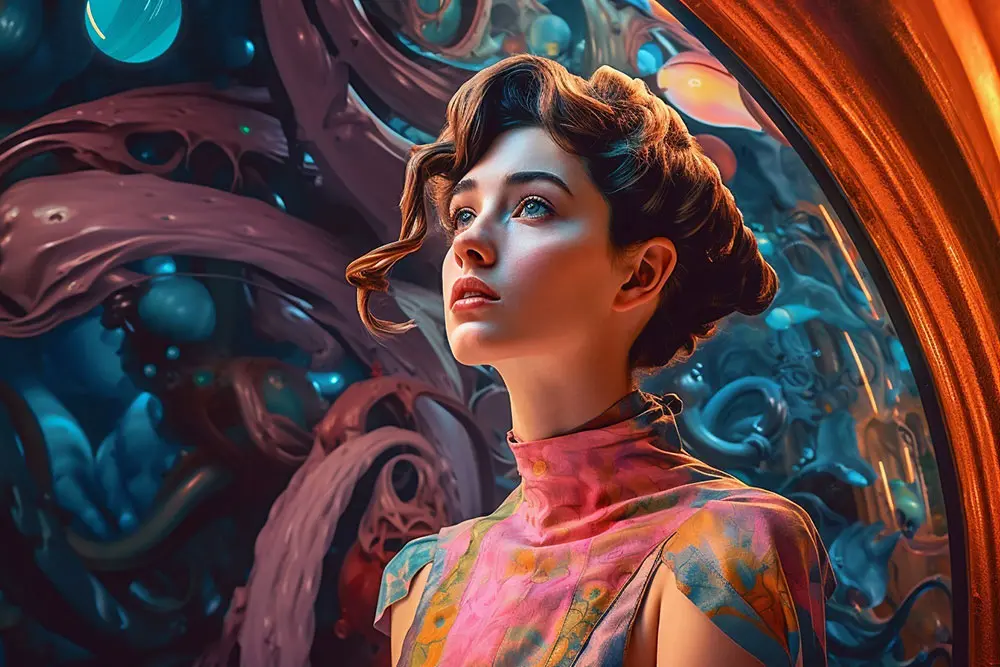
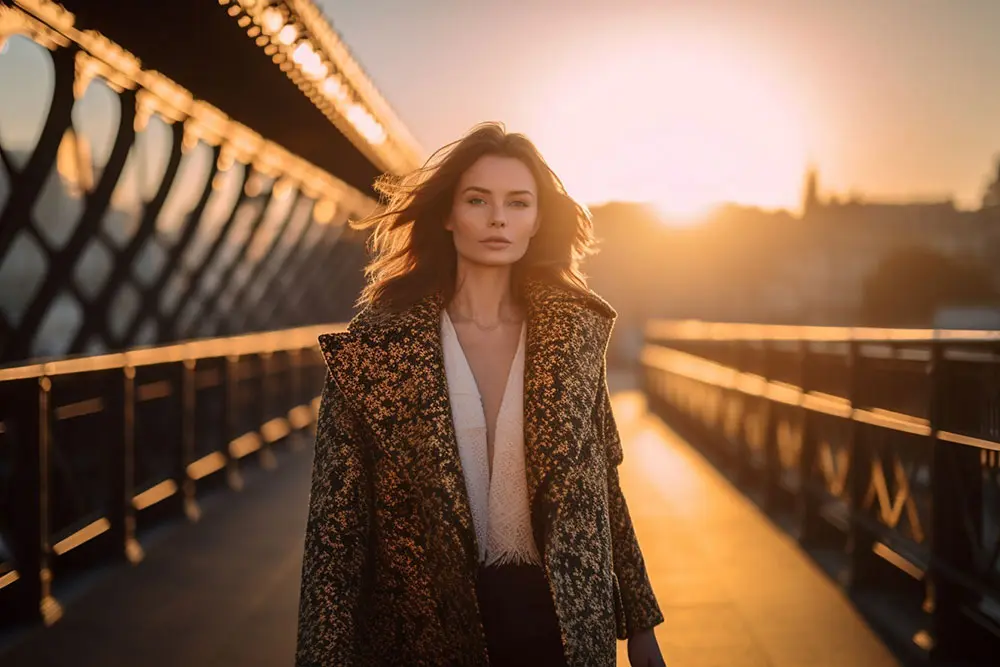
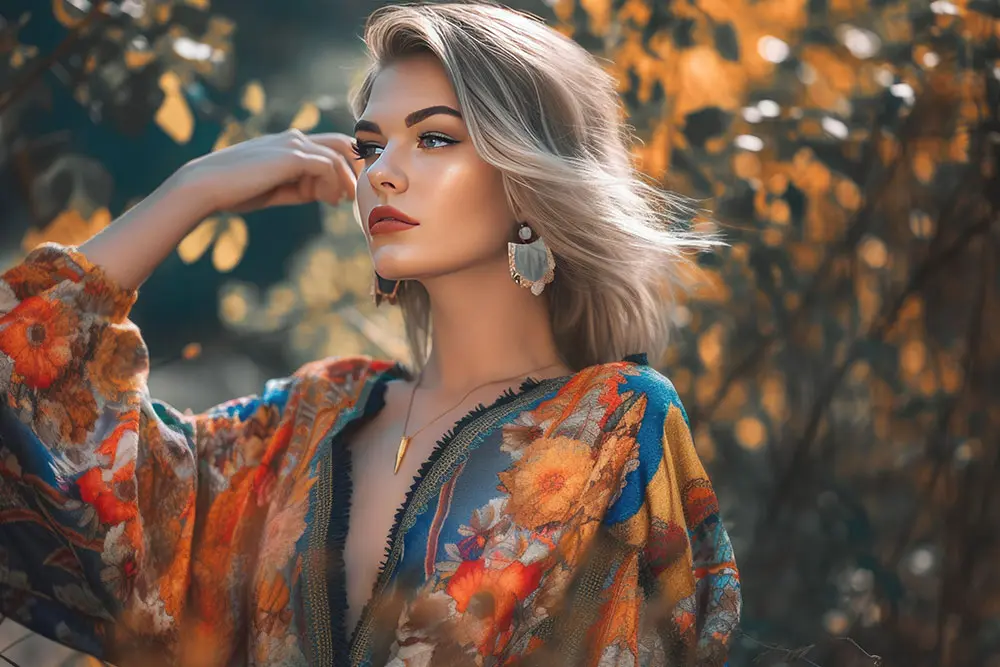
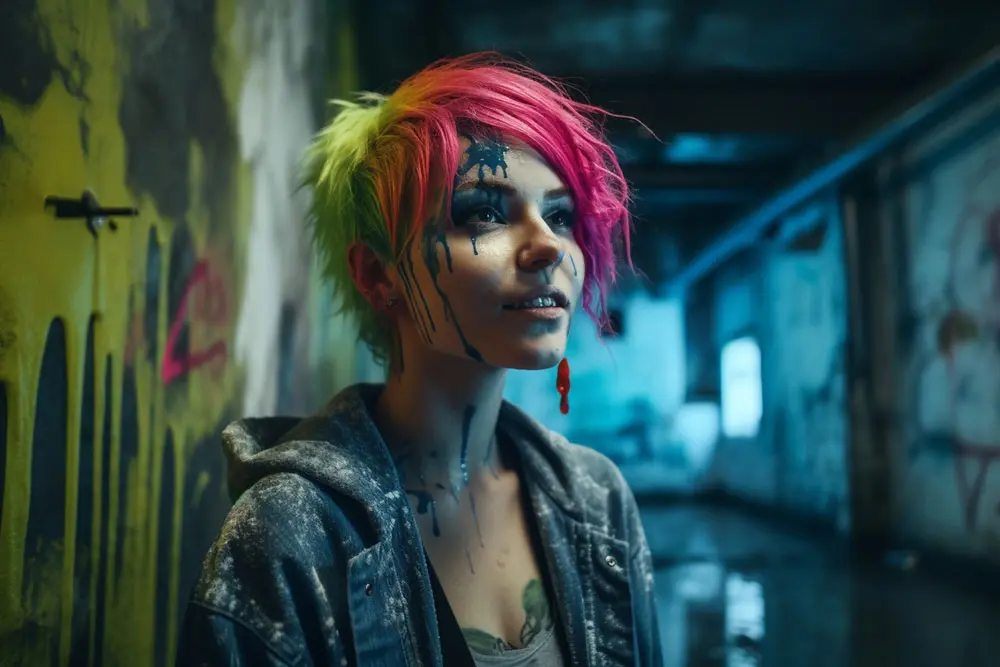
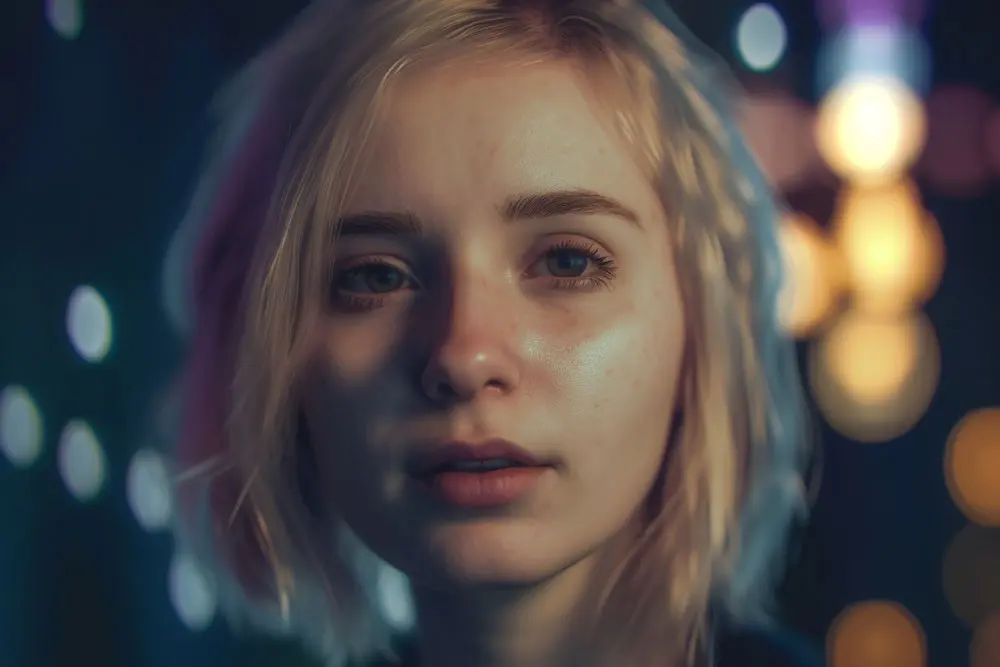
Aesthetics: As you know, AI models may struggle with generating eyes and fingers for various reasons, including the complexity of shapes and mechanics of the eyes and fingers of humans and animals. You should always pay close attention to those aspects when creating AI art. Images with inadequate or unesthetic eyes and fingers, incorrect proportions, blurriness, noise and artifacts will not be accepted.
Image is blurred, and facial features are obscured.
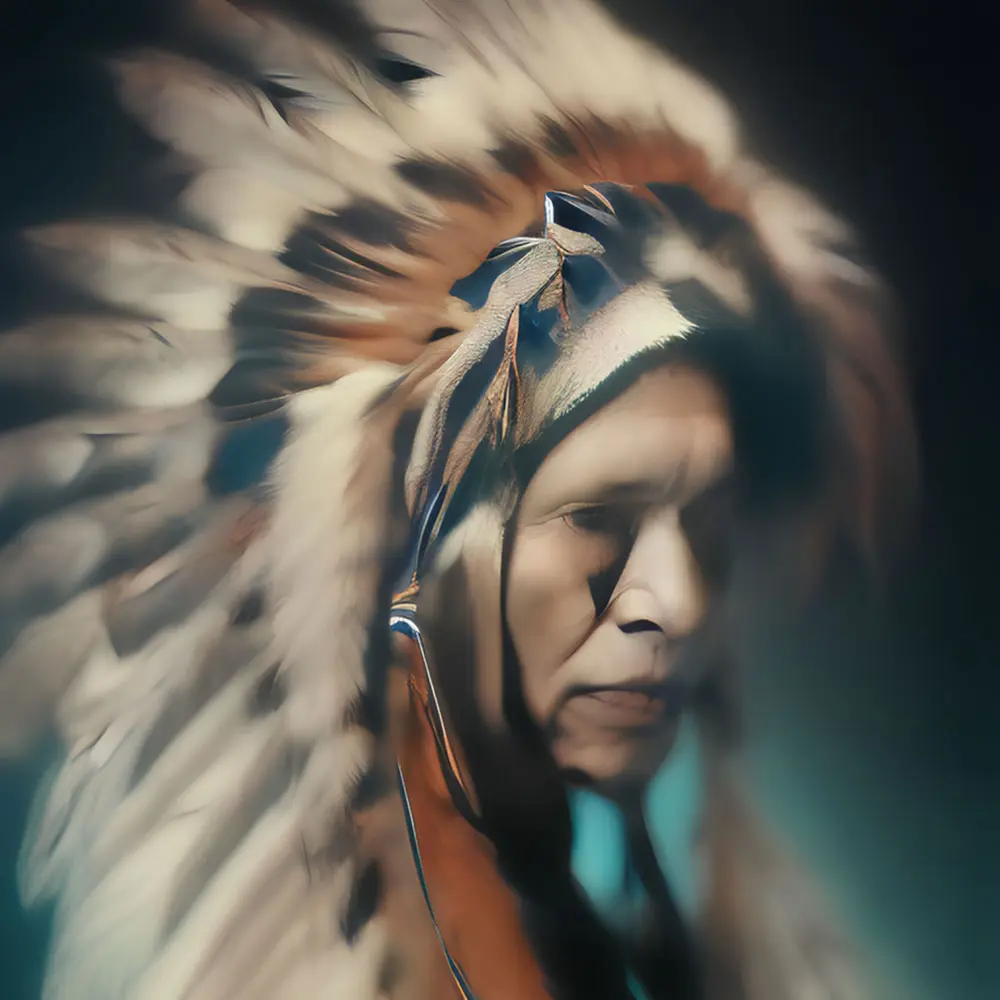
Images depicting famous people and events
Composition: The composition of the image should be well-balanced and aesthetically pleasing. The subject should be clearly visible, and the image should tell a story. Outdated events and misleading information will not be accepted and may lead to account termination.
Content: These types of images should be newsworthy or have solid editorial value. Content that depicts current events, social issues, cultural trends, and lifestyles usually have a high value. Images should also be original and not infringe on any copyright laws.
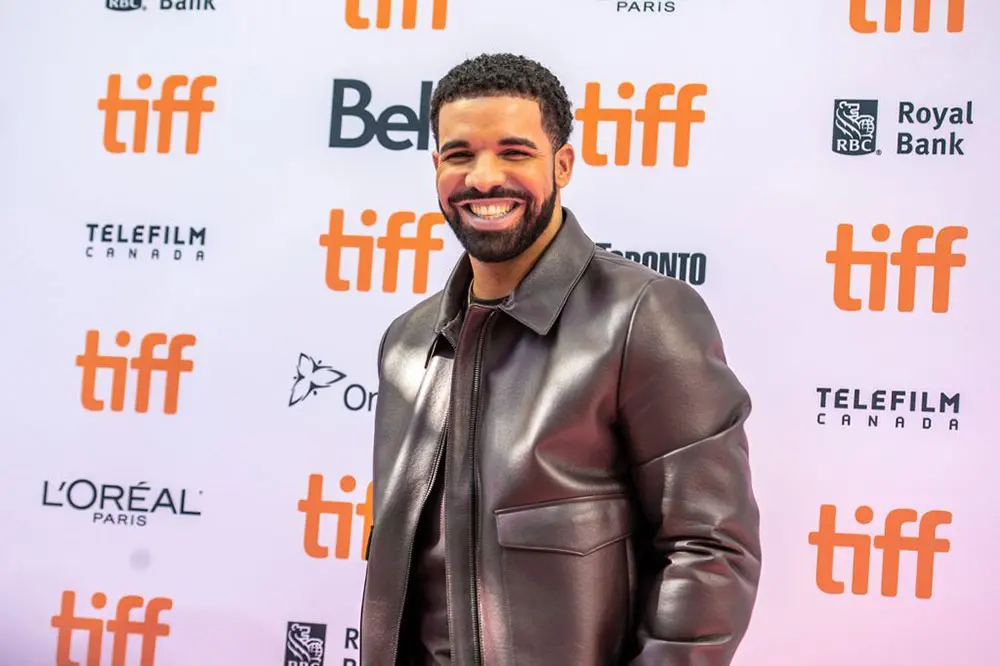
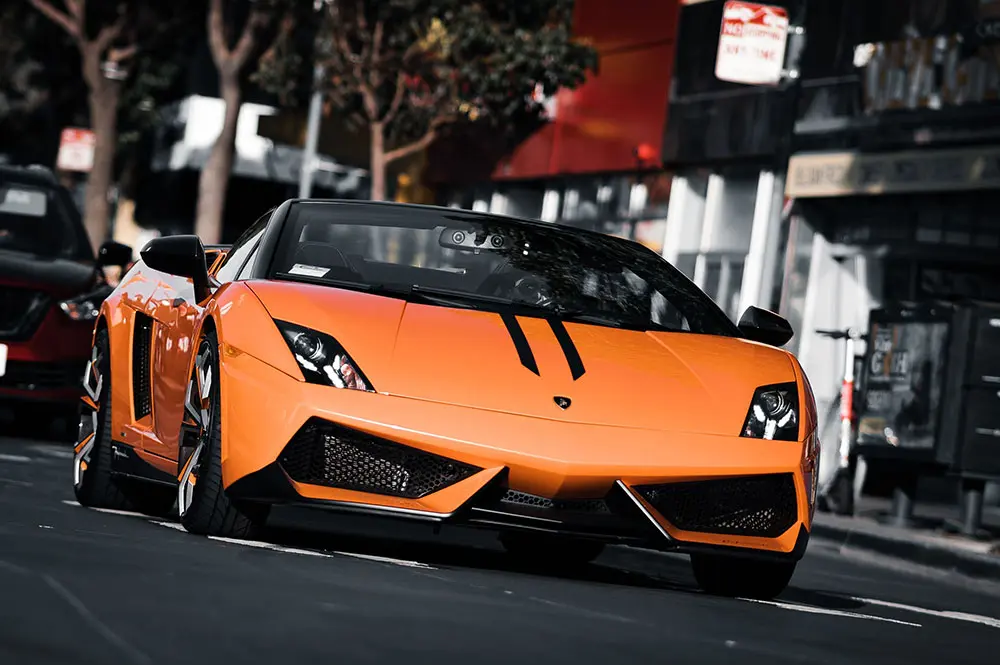

Description: An editorial caption should accompany the image and provide context and information about the subject matter. The caption should be informative, accurate, and free from any bias or opinion.
Location and Date: Ensure the location is written correctly and in English without using foreign characters.
Product photography
Such content frequently incorporates images of existing brands and items, such as building signs, soft drink cans, computers, and automobiles to communicate a strong and usable narrative.
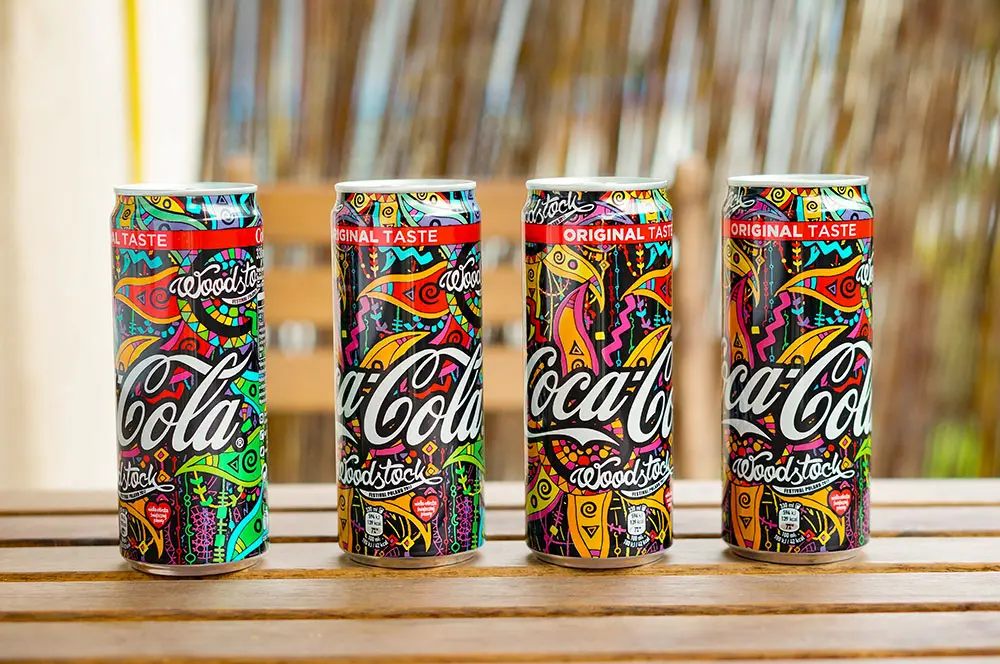
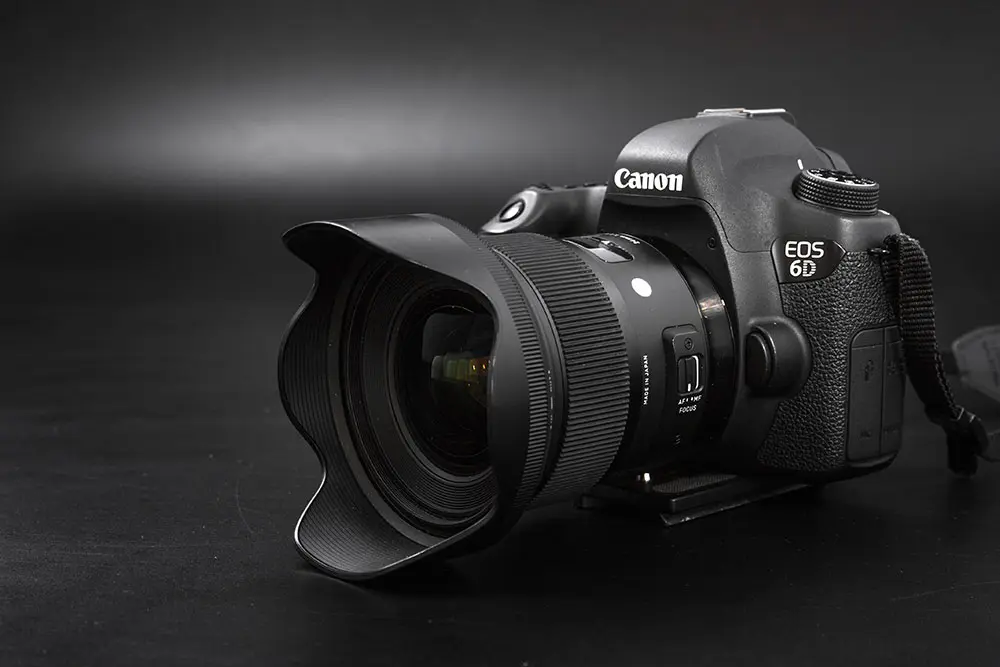
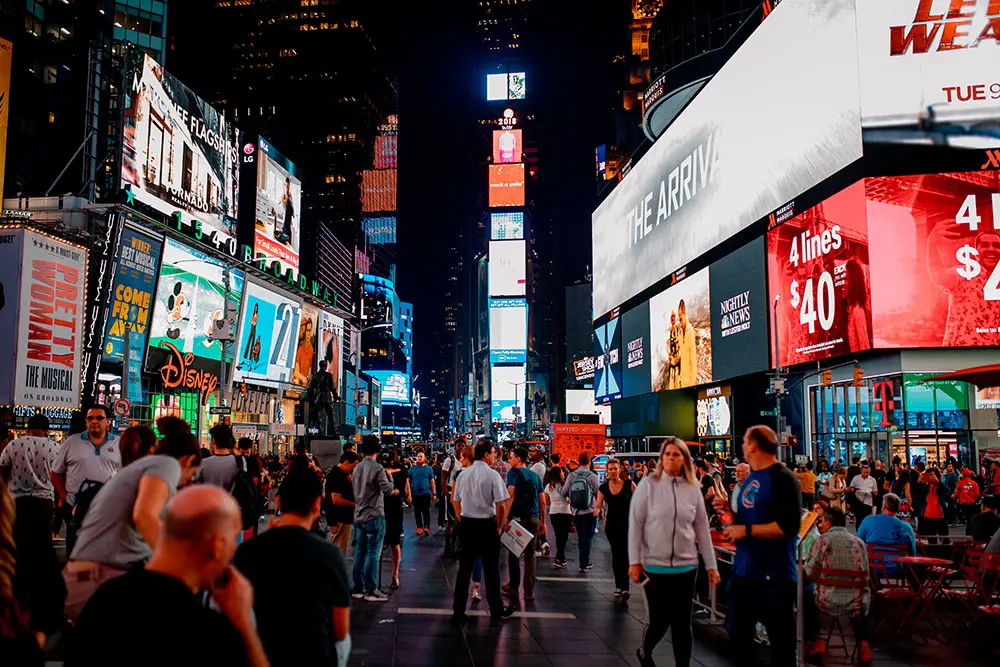
Illustrative editorial content should not contain the following:
Images that show recognizable and identifiable people.
Images that are taken at private or restricted places, like conferences or sporting events.
Images showing close-ups of copyrighted or trademarked content, such as postage stamps, artistic works, or any material that could infringe on privacy rights.
Digitally produced or edited renditions of registered logos or other branded content, except for social media icons.
Portfolio requirements
You can upload and create collections in your Wirestock portfolio and digitally license your content for free.Please keep in mind that there are some restrictions intended to ensure that the content in your portfolio meets specific standards of ethical and legal conduct.
By following these guidelines, both clients and sellers can have a safe and positive experience on our platform.
Prohibited Content: Certain types of content may be explicitly prohibited from being uploaded or used in the projects, such as content that promotes hate speech, violence, illegal activities, or explicit sexual material.
Copyright and Trademark Infringement: Content that infringes on the intellectual property rights of others. Uploading content created entirely by other artists will be considered fraudulent activity and may lead to termination of the account.
Misleading Information: Content that contains false or misleading information is not allowed. This includes deceptive claims about the offered product or service and tricky pricing or sales tactics.
Offensive Material: Content deemed offensive or inappropriate, such as racial slurs or derogatory language.
Spam and Unsolicited Communications: Sending unsolicited communications, spamming, or engaging in unwanted marketing is prohibited.
Fraudulent Activities: Activities deemed fraudulent, such as fake reviews, news media manipulation, and other deceitful behavior.